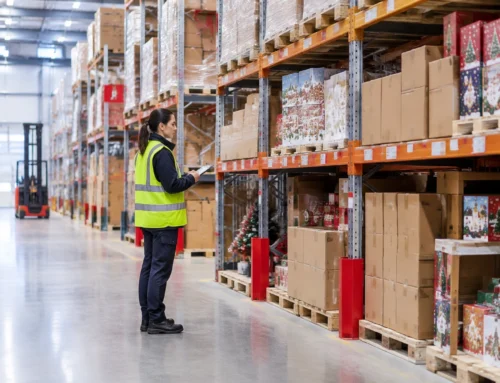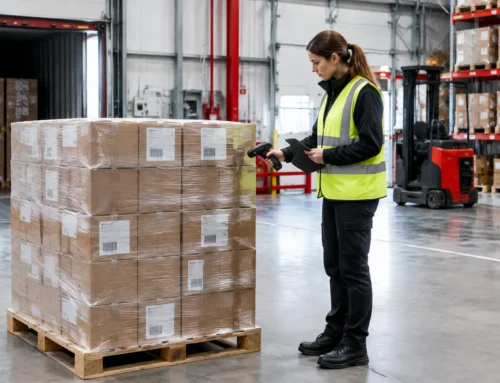
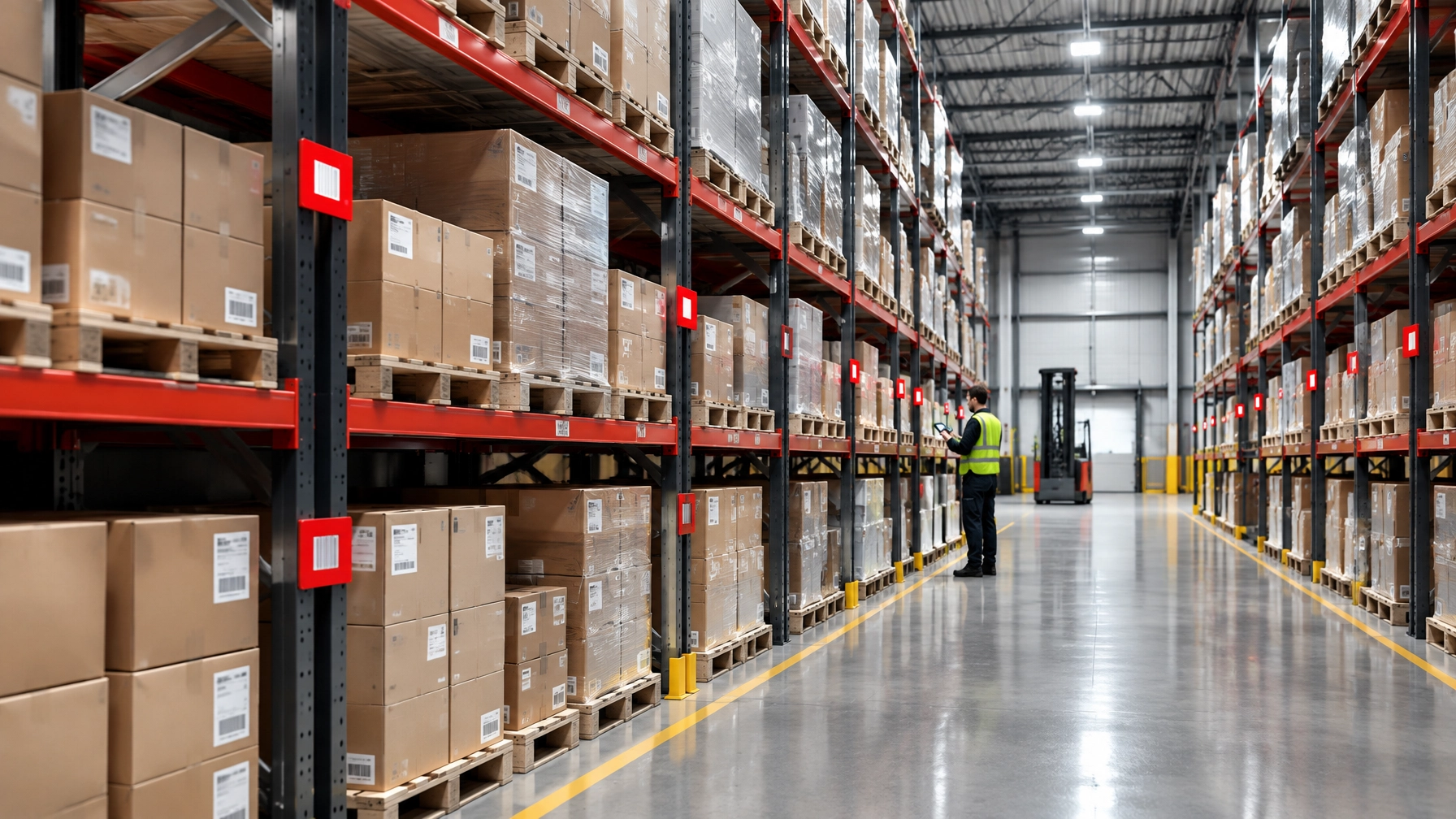
A product can be easy to pick, or a time-consuming detour, depending on where it sits in the warehouse.
That matters because every extra walk, reach, lift or equipment move adds work to an order. When you have many orders moving through a warehouse and fulfilment operation, small inefficiencies can add up to higher costs and slower dispatch.
Slotting is the planned placement of products, or SKUs, in the warehouse. Done well, it puts stock where it makes picking quicker, safer and more reliable. It also makes better use of storage space.
For businesses in Hertford, Enfield, London, Hertfordshire and surrounding local areas, the right approach depends on what you sell, how often customers order it and how your stock arrives.
What does warehouse slotting involve?
Slotting means deciding where each product should live. That includes its pick face, the accessible location used to fulfil orders, and any reserve stock, which is held elsewhere and replenished when needed.
A useful slotting plan considers:
- How often a product appears on order lines
- Its size, weight and handling requirements
- Whether it is seasonal or has changing demand
- How much stock belongs in an accessible pick face
- Whether it is commonly ordered alongside other products
- How safely and easily it can be picked
It’s not simply a case of moving popular stock to the nearest shelf. The location has to suit the product and the way your operation works.

Why does product location change fulfilment costs?
Most warehouse picking involves people moving between locations to collect the items on an order. If popular products sit far from the packing area, pickers spend more time travelling. If stock sits in awkward or unclear locations, picking can take longer and mistakes become more likely.
Good slotting can help you:
- Reduce unnecessary travel between product locations
- Make fast-moving items quicker to reach
- Reduce confusion between similar products
- Use shelf and pallet space more effectively
- Limit extra handling and replenishment delays
The aim is not to move stock around constantly. It is to put the right products in the right places, then review the plan when your sales or product range changes.
How does a warehouse decide where each SKU goes?
1. Start with order activity
A common starting point is ABC analysis. In plain English, it groups products according to how frequently they are picked:
- A items: picked most often
- B items: picked regularly, but less often
- C items: picked less often
For slotting, order-line activity is often more useful than the total value or quantity of stock. A product that appears on many separate orders may deserve a more accessible position, even if customers buy only one at a time.
Research into dynamic, class-based storage assignment also highlights the value of placing frequently picked items in accessible locations. The results depend on the warehouse and its stock, so a study is a guide, not a guaranteed saving for every operation. (Read the research.)
2. Match the location to the product
Frequently picked products often suit accessible pick faces near the relevant packing or dispatch area. But a product’s physical features matter too.
Heavy or awkward items need safe, suitable positions. Fragile products may need more care and protection. Similar-looking items should be easy to tell apart. The best slot balances access, safety, accuracy and space.
3. Separate pick faces from reserve stock
A pallet position can hold a larger quantity of stock. A pick face holds the amount needed for convenient order picking. These locations serve different purposes.
A well-planned operation can keep reserve stock in a pallet position and replenish the pick face as required. If the pick face is too small, it may need frequent replenishment. If it is too large, it can use space that would be more valuable elsewhere.

4. Plan for seasonal changes
A product that sells steadily most of the year may become a top seller during a promotion or seasonal peak. Leaving it in a low-priority location can create avoidable walking just when order volumes rise.
Review upcoming promotions and seasonal demand in advance. Move the likely winners into more suitable pick faces before the busy period, then review those locations when demand settles.
5. Review the plan when demand changes
Slotting shouldn’t be set once and forgotten. New products launch. Bestsellers change. Customers buy different combinations. A practical review looks for products whose recent order activity no longer matches their current location.
The goal is a measured refresh, not unnecessary movement of every SKU. Research into warehouse re-slotting decisions also stresses that relocation choices should consider operational factors, rather than moving products at random. (Read the 3PL case study.)
How do we know if slotting is working?
Start with a simple before-and-after comparison. Look at measures that matter to your operation:
- Time taken to pick an order or order line
- How often pickers need to visit a location
- Pick-face replenishment frequency
- Mispicks, shorts or other picking issues
- Whether the busiest locations are becoming congested
A good change should make work easier without creating a new problem elsewhere. For example, moving popular stock closer to packing may reduce travel, but placing too many fast movers together could cause congestion.
That’s why warehouse slotting should fit your actual goods, order patterns and working processes. A flexible 3PL can review the plan with you and adapt it as your needs change.
What does this mean for your business?
A growing online retailer may need quick access to its bestsellers and reserve space for extra seasonal stock. A business with fragile products may need locations that support careful handling. A company with a wide range of slower-moving lines may need a different balance of accessible space and bulk storage.
A capable storage facility business or fulfilment partner should understand that one layout won’t suit every client. If you’re comparing storage facilities business options, ask how the provider will place your stock, review changing demand and work with your procedures.
TASS Enterprise provides flexible storage, pick and pack fulfilment and distribution. We act as an extension of your business, not just a place that stores inventory. Our team can tailor processes to your needs, whether you’re starting with a few pallet spaces or managing a larger operation.
For businesses searching for hertford storage, storage in Hertford or storage units Hertford, it’s worth checking whether you need storage alone or a combined warehouse and fulfilment service. We support businesses in Hertford, Enfield, London, Hertfordshire and surrounding local areas, with distribution options for wider UK and international needs.

FAQs about warehouse slotting
Is slotting only useful for large warehouses?
No. Small businesses benefit too. Even a modest range of products can become harder to manage as order volumes grow. A sensible layout helps you find stock, pick it and replenish it more easily.
Is a pallet position the same as a pick face?
No. A pallet position usually holds reserve or bulk stock. A pick face is the accessible location used to pick individual products or smaller quantities for orders.
Does slotting mean moving products all the time?
No. A good plan is reviewed when sales patterns, product ranges or seasonal needs change. Random or frequent moves can create disruption. Changes should have a clear reason.
What should I look for in an Enfield or Hertford fulfilment partner?
Ask how the provider will understand your products and order patterns, how it will adapt to changes, and whether it can combine storage with picking, packing and distribution. If you’re searching for a fulfilment centre near me, compare the service and flexibility, not location alone.
TASS Enterprise offers 3PL in Hertfordshire, including ecommerce fulfilment UK businesses can scale with, and a pick and pack service UK businesses can tailor to their needs. Whether you’re looking for a warehouse Hertfordshire, Hertford warehouse, warehouse Enfield, Enfield fulfilment centre, Enfield warehouse services or a fulfilment warehouse UK partner, talk to us about your requirements.
If you’re comparing storage Hertford providers or searching for hassle free logistics, tell us what you sell, how your orders move and where you want to grow. We’ll discuss a solution that fits your operation, from storage through to dispatch. You can also read more about our pick, pack and dispatch service.
Talk to us about your stock locations
The right slotting strategy can make everyday fulfilment simpler. It starts with understanding your products, your order patterns and the way you want your business to run.
Call TASS Enterprise on 01992 505 500 to discuss storage, pick and pack fulfilment, and distribution in Hertford, Enfield, London, Hertfordshire and surrounding local areas. Ask us about our We Beat Any Quote pricing guarantee.