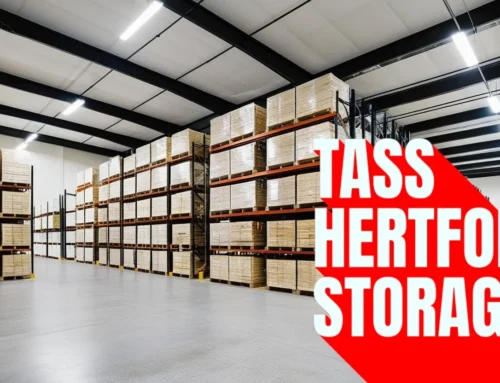

It’s mid-October. Peak season is approaching, end-of-year stock is arriving, and every product needs to be in the right place at the right time.
That makes now the moment to check how your stock moves. When the newest delivery gets picked first by mistake, older stock can sit unnoticed until it loses value, misses its selling season or reaches its expiry date.
A clear first-in, first-out (FIFO) process helps prevent that. A well-organised storage facility business can help you keep stock visible, rotate it properly and fulfil orders accurately, whether you’re shipping to customers in London, Hertford, Enfield or further afield.
What does FIFO mean in a warehouse?
FIFO means the first stock received is the first stock picked and dispatched.
It sounds simple. But it takes more than putting older cartons at the front. Your team needs to know what arrived, when it arrived, where it was stored and which stock should be picked for each order.
For products with expiry dates, a related method is often more suitable: FEFO, or first-expiring, first-out. FEFO prioritises the product with the nearest expiry date, even if it arrived after another batch. That distinction matters for food, cosmetics and other date-sensitive goods.
The right method depends on your products. A capable warehouse partner helps you agree the process and build it into practical handling instructions.
Why stock rotation matters before peak season
Seasonal stock has a selling window. Once that window closes, products can become harder to sell, take up valuable space and tie up money you could use elsewhere.
This is one way dead stock builds up: stock that sits for too long without selling or moving. It can happen when:
- Autumn or winter products arrive late and miss the sales peak.
- New deliveries are picked before older stock.
- A trend changes before all the stock sells.
- Dated products are not flagged early enough.
- Returns, damaged goods or excess inventory are mixed with available stock.
Good logistics in retail connects stock planning to what happens on the warehouse floor. A clear rotation routine helps you see what needs attention while there is still time to act.

How a warehouse keeps rotation on track
A dependable process starts as soon as goods arrive. Here are the essentials.
1. Record the details that matter
At goods-in, capture the product reference, quantity, arrival date and storage location. Where relevant, record batch numbers and expiry or best-before dates too.
This gives you a clearer picture of what you have. It also makes it easier to find the right stock when an order needs a particular batch or minimum remaining shelf life.
2. Put stock away with picking in mind
A tidy warehouse makes the correct stock easier to find and pick. Labels, clearly identified locations and an agreed rotation sequence help staff avoid reaching for the nearest carton without checking its age or date.
Keep exceptions visible too. Damaged, returned or questionable goods should be separated from stock that is ready to sell.
3. Make pick instructions specific
Pick instructions should point staff to the correct product and, where needed, the correct batch or date range. Scanning at key steps can help confirm that the stock being moved or dispatched matches the order.
A tailored standard operating procedure (SOP) makes these steps clear. It tells your team and warehouse partner how you want stock received, stored, picked, packed and dispatched.

4. Review slow movers before the season ends
Don’t wait until January to ask what is left. During the season, review your older stock, upcoming expiry dates and products with slower sales.
That gives you time to choose a useful next step: move stock to another channel, run a promotion, bundle it with a faster seller or adjust future buying. The sooner you spot a slow mover, the more options you have.
How does FIFO help keep inventory accurate?
Accurate stock records help you make better decisions. If your system says an item is available but it cannot be found, or if a newer batch is shipped while older stock remains on a shelf, you can end up with avoidable customer service issues and write-offs.
A warehouse process that matches physical stock to recorded stock helps you see:
- What is in storage and where it is.
- Which batches are available or need checking.
- What is moving quickly and what is standing still.
- Whether seasonal stock needs action before demand drops.
That matters for online shops, retailers and growing product businesses. For ecommerce fulfilment UK operations, reliable stock information supports smoother picking and packing and helps reduce the risk of promising an item that is no longer available.

Choosing a storage facility business for your stock
Not every business needs the same amount of space or the same handling routine. Some need room for a few pallets during a busy period. Others need ongoing storage, order fulfilment and distribution support.
When comparing providers, ask:
- Can you adapt to our products and order process?
- Can we agree a written SOP for receiving, rotation and dispatch?
- How will you identify batches, dates and stock that needs checking?
- Can storage scale up or down with seasonal demand?
- Can storage connect to pick, pack, returns and distribution?
If you’re searching for storage units Hertford, check that the service matches your need. Self-storage and commercial stock storage are not the same thing. A business storing saleable inventory may need goods-in, stock handling and fulfilment, not just a space to access.
TASS provides flexible commercial storage in Hertford, including pallet storage, and fulfilment services with pick and pack, labelling, repackaging and bespoke procedures. The aim is hassle free logistics that fit the way your business works.
Storage and fulfilment across Hertfordshire, London and Enfield
TASS is based at 21 Merchant Drive, Hertford, Hertfordshire, SG13 7AY. From this Hertford warehouse, we support businesses across Hertford, London, Enfield and surrounding local areas, as well as customers shipping nationally and internationally.
If you’re comparing a warehouse Hertfordshire provider, searching for hertford storage, or looking for an Enfield fulfilment centre or Enfield warehouse services, focus on the service your stock actually needs. A useful 3PL partner should be able to discuss how storage, handling and dispatch fit together, not just how many pallets fit on a rack.
TASS works with businesses of different sizes and offers flexible storage and tailored fulfilment. Our FAQs explain more about our location and services.
Can a warehouse guarantee zero dead stock?
No rotation process can control every change in demand. But you can make dead stock easier to spot and act on earlier.
Use FIFO or FEFO where appropriate, keep stock records current and review seasonal inventory regularly. Pair that with sensible buying and clear plans for slower-moving products. Together, those steps help keep stock moving and reduce the chance that valuable goods sit forgotten.
Get peak-season stock moving
Before the end-of-year rush, check your current stock, identify dated or seasonal lines and agree how each product should be received, stored and picked. If your current setup needs more capacity or hands-on fulfilment support, talk to us about a practical solution.
TASS Enterprise provides flexible warehouse and fulfilment support from Hertford for businesses across London, Hertford, Enfield and surrounding areas.
Call us on 01992 505 500 to discuss storage, fulfilment or a rotation process that works for your stock.