Moving stock out of your office, spare room or garage is a big step. But once your goods sit in a third-party warehouse, one question matters: if they are damaged, whose insurance pays?
The honest answer is that it depends on the cause of the damage, the insurance policies and, above all, the warehousing agreement. A warehouse’s insurance does not automatically insure your stock for its full replacement value.
That matters whether you are moving a few boxes into storage in Hertford, arranging overflow space near London, or comparing an Enfield warehouse with a warehouse in Hertfordshire. Clarity before goods arrive helps protect both sides and supports hassle free logistics.
Does the warehouse’s insurance cover my stock?
Usually, you should arrange insurance for the value of your own goods.
A warehouse operator’s property insurance typically covers its own building, racking and equipment. It may also have insurance for its legal liability if a customer’s goods are lost or damaged because the operator was negligent or breached its obligations.
That is different from insurance that pays the full value of your stock in every situation. If your goods are damaged by an event the warehouse is not legally responsible for, or the contract limits its liability, you may not be able to recover the full replacement cost from the warehouse.
Check your own policy and tell your insurer where your stock will be stored. Ask whether your cover extends to goods held at third-party premises and whether it covers the full value you need to insure.
Public liability, bailee cover and stock insurance: what’s the difference?
Insurance terms can sound similar, but they protect different things:
- Public liability insurance generally relates to claims involving injury to other people or damage to their property. It is not the same as cover for customer stock held in a warehouse.
- Bailee or warehouse legal liability cover is designed to protect the warehouse operator when it becomes legally liable for goods in its care. It responds according to the policy terms, liability limits and contract.
- Your goods-in-storage or stock insurance is cover you arrange for your goods themselves. Check the policy wording, declared stock values, covered events and any conditions for storage at a third-party site.
So, if a provider says, “We’re insured”, ask: insured for what, and up to what amount? That sentence alone does not confirm that your pallet is insured for its full value. A liability policy may only pay where the warehouse is legally responsible, and the amount recoverable may be limited by the contract.
For more context, the UK Warehousing Association’s guidance notes explain how warehousing terms and conditions can affect liability. Contract terms vary, so read the agreement you are actually offered.
What should your warehousing agreement say?
Before you sign, make sure the written agreement explains:
- Who insures what. Does the warehouse insure its premises and its legal liability? Are you responsible for insuring your goods?
- Liability limits. What is the maximum the warehouse may owe per pallet, per item, per tonne or per claim? Is there a different limit for one incident affecting several customers?
- Exclusions. Look for exclusions covering fragile goods, inadequate packaging, inherent vice (a product’s own tendency to deteriorate or damage itself), and force majeure: events outside reasonable control. Check any other exclusions that may apply to your products.
- How to make a claim. Who do you contact, what evidence must you provide, and what are the notification and submission deadlines?
- Goods-in damage versus damage in storage. How does the warehouse record damage already present on arrival? What happens if damage is discovered later?
Pay close attention to time limits. A contract may require you to report a problem within a set period. Waiting until you have a complete picture could put a claim at risk, so know the reporting steps in advance. If the terms or potential losses are significant, ask your insurance broker or legal adviser to review them.

What happens if goods arrive damaged?
Damage can occur before the warehouse accepts the delivery. A strong goods-in process helps establish what arrived and in what condition.
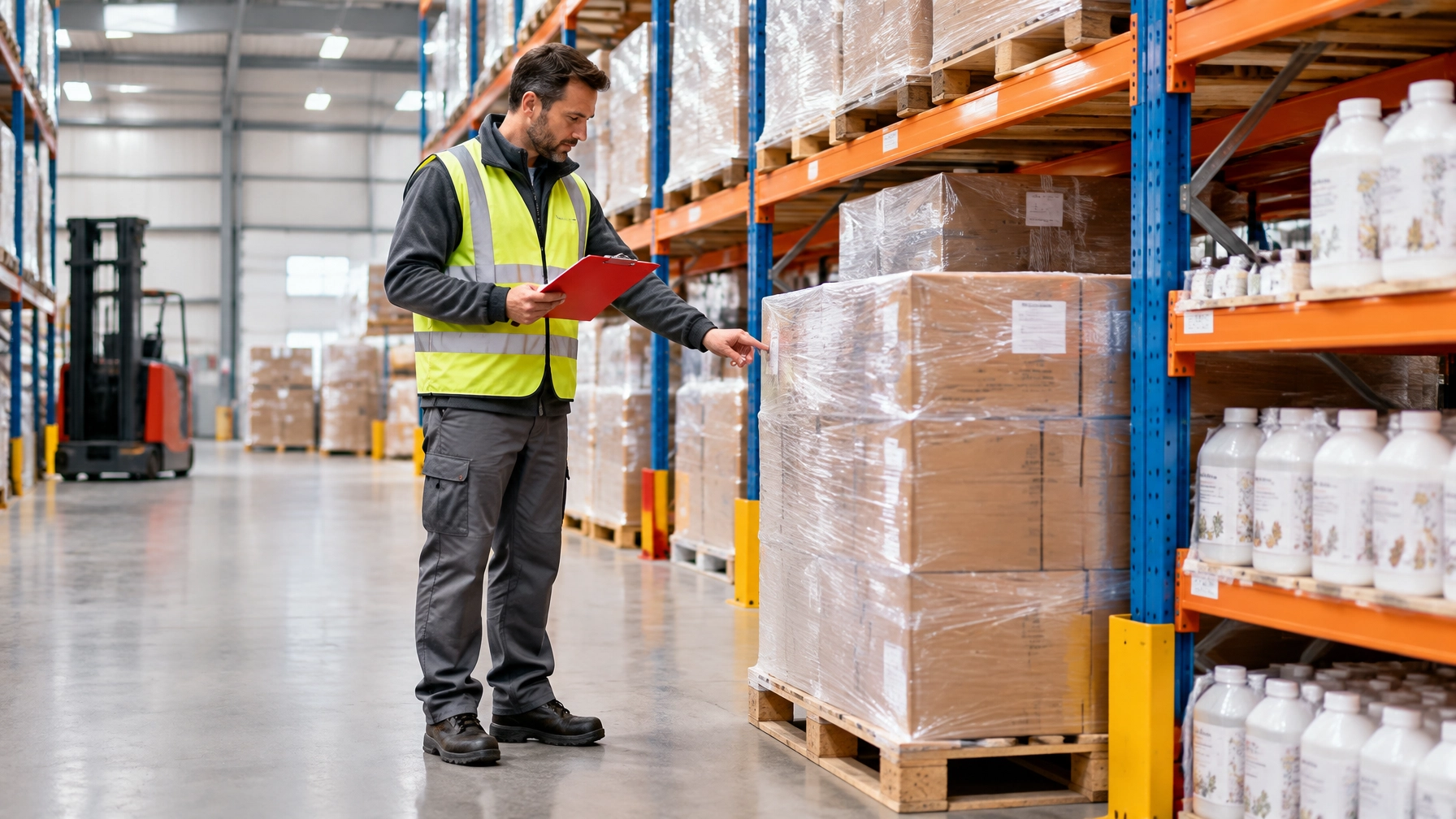
A careful 3PL should have a clear process for checking deliveries, recording visible damage and noting exceptions on the delivery paperwork. If something is damaged, ask how the issue is documented and who is notified. Keep your own delivery records and photographs too.
This distinction matters. Damage noted at goods-in may have happened before the warehouse took responsibility. Damage discovered later may need investigation against the contract, the handling record and the relevant insurance. Neither situation should be left to guesswork.
How does a good warehouse reduce claims?
Insurance matters, but prevention and a reliable record matter every day. A careful fulfilment partner should use clear procedures, including:
- Checking deliveries and noting exceptions on signed delivery notes.
- Photographing visible damage when it is found.
- Checking labels and SKUs against the relevant records.
- Separating fragile or high-value lines where agreed.
- Training staff in the handling procedures for your goods.
- Keeping a documented record of inspections, communications and claim steps.
How a warehouse stores inventory, and how carefully it records what it holds, is part of the same story as the insurance itself. These controls do not guarantee that damage will never happen. They help identify issues early and provide useful evidence if you need to investigate a claim. Good process is the real insurance: it reduces avoidable problems and makes it easier for both parties to understand what happened.

Questions to ask a fulfilment warehouse UK provider
Before signing with a fulfilment warehouse UK provider, ask these questions and request clear answers in writing:
- What is your liability limit per pallet and per claim?
- What does your insurance actually cover, and what does it not cover?
- Do I need to insure my own stock while it is stored with you?
- How do I report a claim, what evidence do you need, and how long does the process take?
- What records do you keep for goods-in inspections, damage reports and handling?
- How do you distinguish damage present on arrival from damage that occurs in storage?
- Are any of my products subject to specific exclusions or extra requirements?
Compare answers, not just headline prices. A provider should be comfortable explaining the agreement in plain English. If you are searching for a fulfilment centre near me in London or Enfield, apply the same checks as you would when choosing hertford storage or a local warehouse, and the same goes for picking a 3PL Hertfordshire partner.
Who needs to think about storage liability?
This is not only an issue for large businesses. It matters if you are:
- An e-commerce seller moving out of a spare room or garage into your first storage space.
- A charity storing donated supplies and needing to understand responsibility for those goods.
- An established brand holding valuable stock or products with special storage needs.
- A business using storage units Hertford, a Hertford warehouse or a third-party site for overflow.
It also matters when you compare a storage facilities business, a storage facility business or warehouse services across Hertfordshire. Whether you need storage hertford options, warehouse enfield services or an enfield fulfilment centre, ask about insurance and liability before you move stock. These questions are relevant to logistics in retail and ecommerce fulfilment uk alike.
Clear terms make storage and fulfilment easier
The aim is not to expect the worst. It is to avoid assumptions. Your warehouse partner should explain its responsibilities, limits and claims process. You should confirm that your own insurance covers the stock and its value while it is stored away from your premises.
TASS Enterprise provides flexible storage solutions and fulfilment services from Hertford, serving businesses in London, Enfield, Hertfordshire and surrounding areas. Our warehouse and fulfilment services support businesses looking for a dependable partner, whether they need overflow space or a pick and pack service uk-wide.
For a straightforward conversation about your requirements, call 01992 505 500. We’ll discuss your needs and our “We Beat Any Quote” guarantee. You can also visit us at Unit 21, Merchant Drive, Mead Lane, Hertford, Hertfordshire, SG13 7AY.
Bring your stock values and any questions about insurance or contract terms. Together, we can make the responsibilities clear before your goods arrive, and build a practical, hassle free logistics arrangement for your business.