January is when many online retailers discover that dispatching an order is only half the job. Parcels start coming back. Refund requests pile up. And stock that could be sold again sits in a returns area, waiting to be checked.
That delay costs you twice: customers wait longer for refunds, and saleable products stay out of your available inventory. A clear returns process helps you recover value faster.
At TASS Enterprise, we provide warehousing, fulfilment and returns support from Hertford for businesses across Hertfordshire, London, Enfield and surrounding areas. Here’s how a dedicated 3PL process can turn the January returns rush into stock you can sell again.
Why do returns spike after Christmas?
The surge follows the sales surge. More orders placed in November and December mean more parcels can come back in January. That does not always mean the return rate itself has jumped. It often means there are simply more orders in the returns window.
For the 2025–26 Christmas season, Parcelhero estimated that goods worth around £1.55 billion could be returned in early January. Royal Mail figures cited in that report put returns around 25% above normal in the first full working week of January.
For your operation, the practical impact is clear: more parcels arriving, more customer questions and more stock to inspect at the same time. Whether you sell clothing, gifts, electronics or specialist products, returns need their own plan, not just a spare corner of the warehouse.
Where does the value disappear?
A returned product is not automatically a lost sale. But it can become one if nobody processes it promptly.
Common sticking points include:
- Unopened parcels waiting to be checked, even when the item could go straight back into stock.
- Slow grading, leaving usable goods mixed with damaged or incomplete items.
- Inventory that still shows the wrong quantity, so your website cannot offer available stock for sale.
- Refunds held up while teams search for the return or wait for someone to inspect it.
- No decision for imperfect stock, which then sits in limbo instead of being refurbished, discounted or returned to a supplier.
This is where logistics in retail can protect, or erode, your margin. A returned item is an asset until the process makes it unsellable, untraceable or too slow to recover.

What happens when a 3PL receives a return?
Good returns processing is a series of clear steps. Your 3PL agrees the rules with you, then follows them consistently.
1. Scan and match the parcel
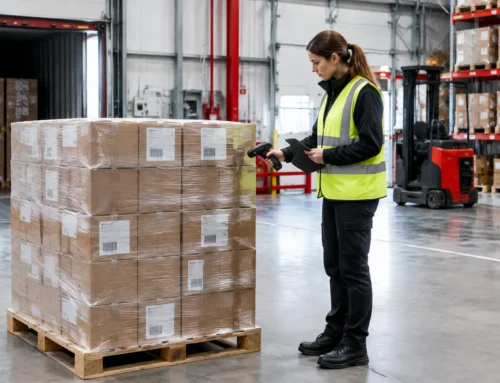
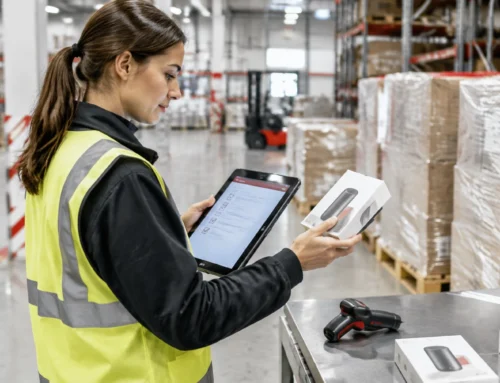
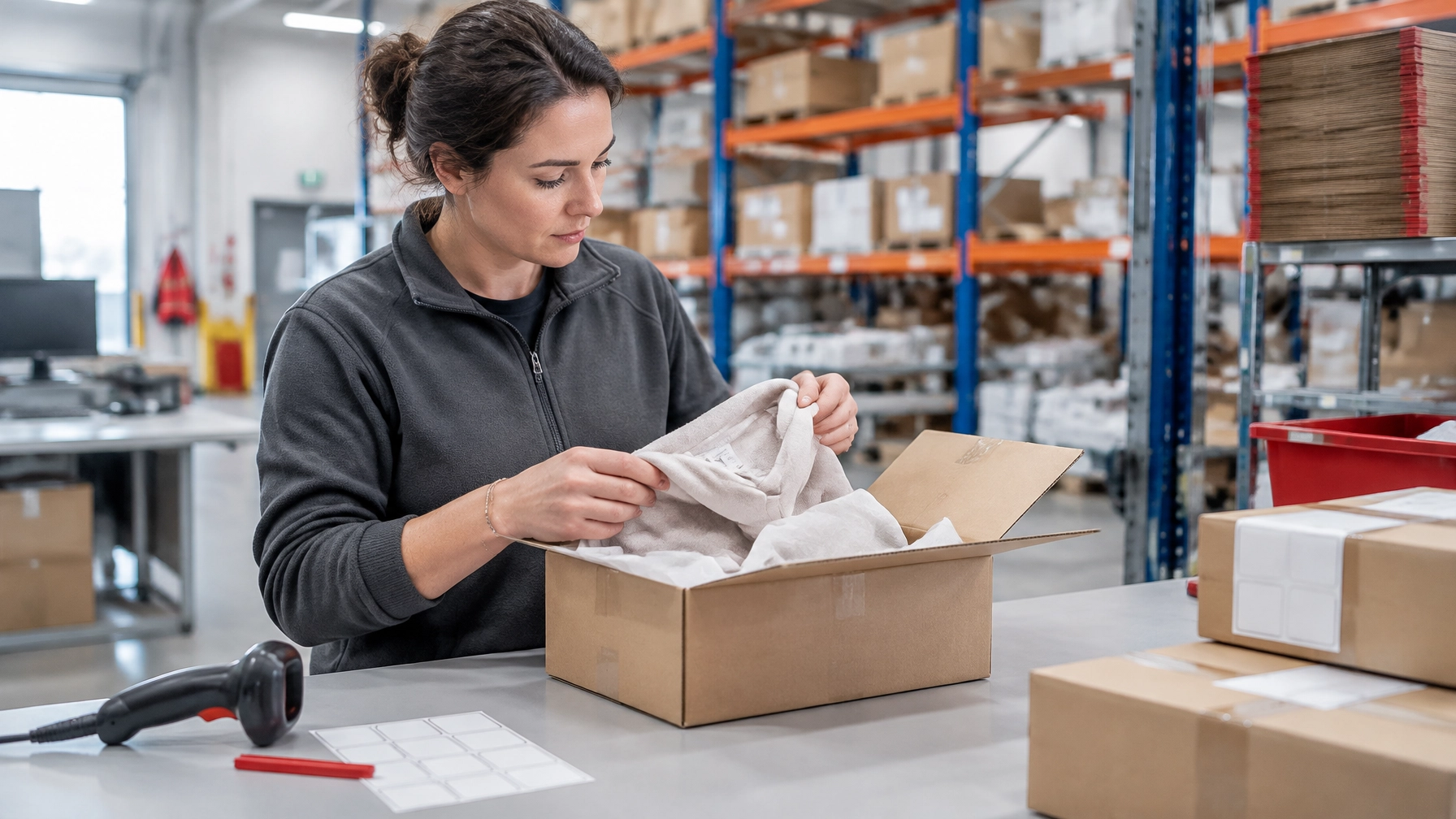
When a return arrives, the team scans it and matches it to the return authorisation, order and product. They check the quantity and note missing parts, packaging damage or any other issue.
That first scan gives you a record that the parcel has arrived. It also stops returns becoming anonymous boxes on a shelf.
2. Inspect and grade the product
A practical grading system separates stock by what should happen next:
- Grade A, Resell: Unopened or in resale-ready condition. Return it to sellable stock.
- Grade B, Repack: Opened, but unused and complete. Replace packaging or relabel, then restock if it meets your rules.
- Grade C, Recover: Used or lightly damaged. Send it for refurbishment, a discounted listing or another approved sales channel.
- Grade D, Quarantine: Defective, incomplete or unsafe to resell. Hold it for a supplier decision, recycling or disposal.
Set the criteria by product type. A fragile item may need extra checks. An electronic product may need a serial-number or accessory check. Clear instructions help the warehouse team make the right call without waiting for you to review every parcel.
3. Update stock and route the item
Once the product passes inspection, the warehouse team relabels it if needed and puts it back in its correct location. The inventory record should update at the same time, so your online store reflects what is genuinely available.
Grade C and D items should move to a separate, clearly recorded area. They should never become part of your sellable count by mistake.

How quickly should returns be processed?
Agree service targets before the January rush. For many straightforward products, a useful operating goal is:
- Arrival scan: the day the return reaches the warehouse.
- Inspection and grade: within 24–48 hours.
- Refund instruction: promptly after inspection, in line with your policy and legal obligations.
- Sellable stock returned to inventory: within 24–48 hours where the item passes checks.
- Exceptions: a named decision route for damaged, incomplete or disputed returns.
These are practical targets, not a one-size-fits-all promise. Product checks, carrier schedules and the volume of returns can all affect timings. The important thing is that you can see where each return is, and what happens next.
For online orders, the Consumer Contracts Regulations set rules for reimbursement when a customer cancels a distance sale. Your policy and process should account for those obligations. A good warehouse process supports your customer-service team by confirming receipt and inspection quickly, so refund decisions do not wait on missing information.
How returns connect to pick and pack
Returns are the reverse side of the same operation. Your forward fulfilment team picks, packs and dispatches an order. Your returns team receives it, checks it, records its condition and puts eligible stock back where it can be picked again.
That connection matters. A pick and pack service UK retailers rely on needs accurate stock data at both ends. If a product passes inspection but remains stuck in a returns cage, your pickers cannot use it to fulfil the next order. If a damaged item goes back onto a shelf, the next customer may receive the wrong thing.
A joined-up warehouse and fulfilment process keeps goods-in, storage, dispatch and returns connected. At a fulfilment warehouse UK businesses use for ecommerce, the same stock records can support the return inspection and the next customer order. That is the practical side of ecommerce fulfilment UK: make each unit visible, traceable and ready for its next appropriate step.

What should you look for in a returns partner?
Choose a partner that can explain the process in plain language. Ask:
- How do you scan and identify a return?
- Can you follow our product-specific grading rules?
- How quickly do saleable items return to inventory?
- How do you record damaged goods and exceptions?
- Can returns work alongside our existing pick, pack and dispatch service?
- What does each handling step cost?
Look for a team that can adapt its process to your goods and customer promises. Whether you are a small storage facility business looking for a partner to manage returns, or an established retailer scaling up, your requirements should shape the procedure.
For businesses comparing storage facilities business options around London, Hertford and Enfield, location is only one part of the decision. You also need practical support, clear stock records and a returns process that connects with your normal fulfilment. A warehouse Hertfordshire operator such as TASS can support businesses needing hertford storage, storage in hertford or storage hertford alongside distribution and returns.
If you are comparing storage units Hertford searches with managed storage, check what is included. Managed hertford warehouse support can cover goods-in, inspection, stock handling and dispatch, not just space. Businesses searching for a warehouse Enfield, enfield fulfilment centre or enfield warehouse services can also work with a Hertfordshire-based partner serving Enfield, London and surrounding areas. If you have typed fulfilment centre near me into a search, check the actual service area, too.
TASS Enterprise is a 3pl hertfordshire business based at Unit 21, Merchant Drive, Mead Lane, Hertford, Hertfordshire, SG13 7AY. Our flexible managed storage supports businesses from small consignments and 4 pallet spaces to larger operations. We handle goods-in, storage, pick, pack, dispatch and returns as an extension of your business. Explore our fulfilment services and managed storage.
FAQs
Do I need to process every returned item the same way?
No. Set grading rules that match your products. A sealed product may be ready to restock, while a damaged or incomplete item needs quarantine and a separate decision.
Can a 3PL handle returns as well as outgoing orders?
Yes. Ask whether returns processing connects to your regular picking, packing and inventory records. That connection helps saleable items move back into stock without avoidable delay.
Does managed storage only suit large retailers?
No. A flexible partner can support small businesses as well as larger operations. The right setup depends on your stock, order flow and the handling your products need.
Turn January returns into stock you can sell
A well-run returns operation gives you faster visibility, clearer refund decisions and a better chance of recovering value from saleable products. It also helps customers get a prompt, professional response when something comes back.
If you need storage, returns handling or fulfilment support in Hertford, Enfield, London or the surrounding areas, speak with TASS Enterprise. We’ll discuss your requirements and our We Beat Any Quote guarantee.
Call us on 01992 505 500 to talk through your January returns process and get a tailored quote.