Selling abroad can open up new markets. But the first international orders can also bring a stack of unfamiliar questions. What paperwork do you need? Who pays import charges? Can you ship every product to every country?
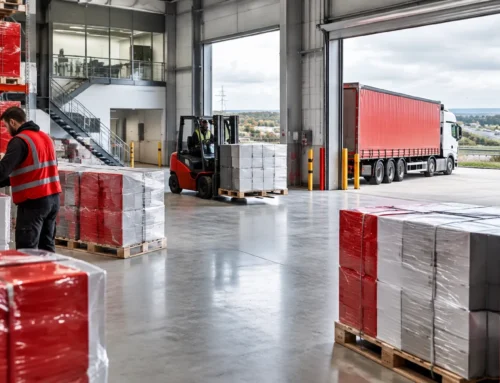
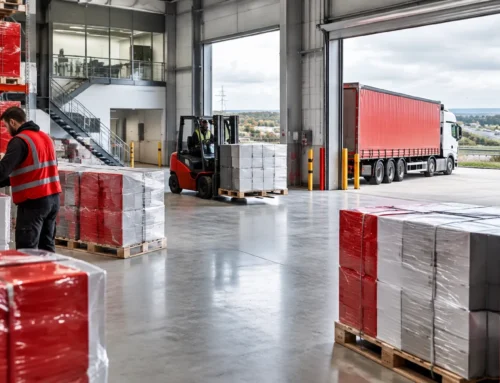
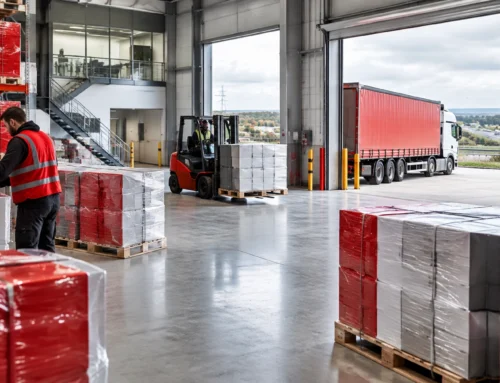
A local third-party logistics provider (3PL) can take the warehouse work off your hands and help coordinate the dispatch process. With international shipping from Hertford, you can serve customers in Europe, the US and beyond without building your own warehouse operation or managing every parcel yourself.
Why international orders feel complicated
A UK order usually needs a correct address, a label and a reliable carrier. A parcel crossing a border also needs accurate customs information. Get the details wrong and your shipment may be delayed, charged incorrectly, returned or refused.
You’ll need to consider:
- Customs declarations: What is in the parcel, what is it worth, and where was it made?
- HS or commodity codes: These classify products for customs and help determine duties.
- Duties and taxes: Charges may apply in the destination country. Decide whether you or your customer will pay them.
- Product restrictions: Some items need permits or certificates. Others cannot travel on certain routes or with particular carriers.
- International returns: A return can involve extra postage, customs information and decisions about refunded charges.
These requirements depend on the product and destination. They can change, too. That’s a lot to research while you’re also looking after sales, customer service and stock.

What changes when your parcel leaves the UK?
Customs descriptions and HS codes
Customs needs a clear description of the goods. “Clothes” or “accessories” may not give enough detail. You’ll also need the appropriate product classification, known as an HS code or commodity code.
The correct code depends on the specific item. Don’t guess or copy a code without checking it. Keep product descriptions, codes, country of origin and values consistent across your records and shipping information.
Use the UK government’s commodity code guidance and export steps as starting points. For complicated or regulated products, get advice from a customs professional.
VAT, duties and delivery terms
There’s a difference between exporting your parcel from the UK and importing it into the customer’s country. Import VAT, customs duties and clearance charges may apply at the other end.
You also need to decide who pays those charges. With a delivery arrangement where the customer pays import charges, they may be asked to pay before the parcel is delivered. With a seller-paid arrangement, you organise and cover those charges instead. Make the terms clear at checkout so customers know what to expect.
Some UK businesses may be able to zero-rate qualifying exports for UK VAT, but they must meet the rules and keep the right evidence. Check your circumstances with an accountant or tax adviser. For details on restricted goods, see the official UK export restrictions guidance.
Labels and product checks
International parcels need the right shipping label and customs data. Depending on the goods and destination, extra paperwork may also be needed. A fulfilment team can check product information and packing instructions against agreed procedures before dispatch.
That check matters for fragile goods, products with special handling needs and anything that may be restricted. Your warehouse and carrier should confirm which items they can accept on each route.
How a local 3PL supports international fulfilment
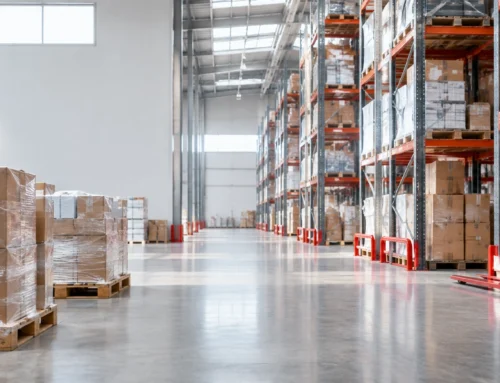
A good warehouse and fulfilment partner connects your stock to the day-to-day work of sending orders. You agree how orders are handled, how products are packed and what information is needed before dispatch. Those steps can then be built into your operating procedures, or SOPs.
For example, an international dispatch process could include:
- Receive and store your goods. Your stock is booked into the warehouse and organised for picking.
- Pick the correct products. The team checks the order against your instructions and stock records.
- Pack for the journey. Choose packaging that protects the goods through more handling and a longer route.
- Check shipment information. Confirm the product description, value, origin and codes supplied for the order.
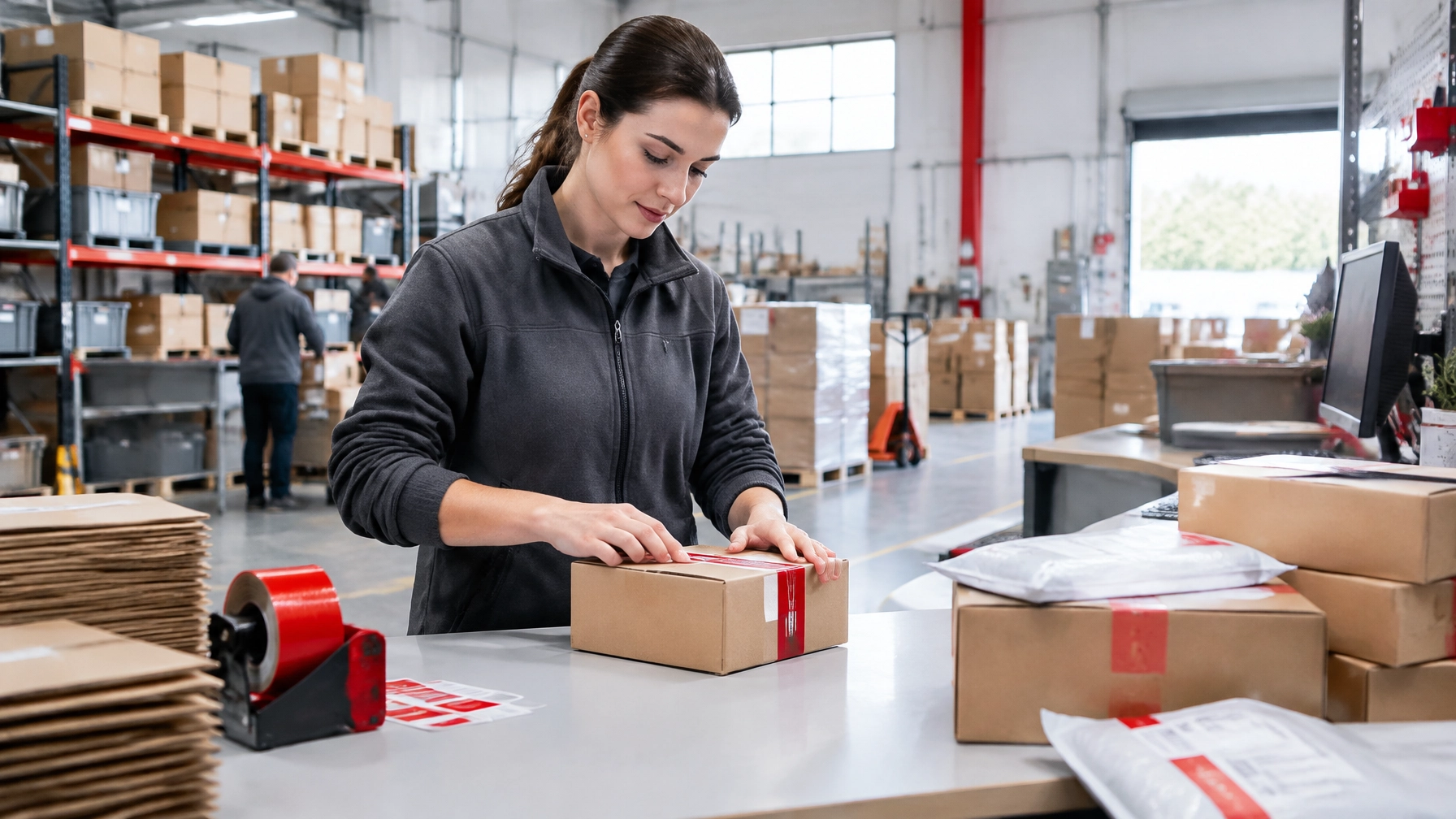
- Prepare the parcel for dispatch. Apply the label and include the agreed customs information.
- Hand it to the selected carrier. Agree who submits customs declarations and how tracking, exceptions and returns are managed.
A 3PL can coordinate the warehouse steps and work with your carrier or customs agent. You remain responsible for providing accurate product and customs information as the exporter, so agree who checks and submits each declaration before your first shipment.
For growing brands, this can make ecommerce fulfilment UK simpler at home and abroad. Instead of managing stock, packing, paperwork handovers and dispatch separately, you work with a partner that can build the process around your products. TASS offers fulfilment services and bespoke SOPs, alongside business storage.

Plan for international postage and returns
International delivery usually costs more than domestic shipping. The right choice depends on parcel size, weight, destination, delivery speed, tracking and the level of cover you need.
Compare the total cost, not just the postage price. Include packing materials, customs handling or clearance charges, duties and taxes, and the cost of dealing with delayed or returned orders. A faster service may suit a high-value or time-sensitive order. A slower option may work better for less urgent deliveries.
Ask whether consolidating orders or using a different carrier service could improve the cost for your order profile. The best option depends on where your customers are and what you sell. Don’t promise a delivery time until you’ve checked the service for that destination.
Returns need a plan before you launch. Decide where customers should send goods, who pays return postage and what happens if a parcel is refused. For consumer sales, check the destination’s return and cancellation rules. Make your policy easy to find before checkout.
Why Hertford works for businesses across the region
TASS is based at 21 Merchant Drive, Hertford, Hertfordshire, SG13 7AY. The location offers access to London and major transport routes, making it a practical base for businesses across Hertford, Enfield, north London and surrounding local areas.
Whether you’re looking for hertford storage, storage in Hertford, or a flexible storage facility for your business, the right setup should match the way your stock moves. TASS provides pallet and commercial storage, with options for businesses handling different volumes. If you’ve searched for storage units Hertford, storage Hertford or a fulfilment centre near me, check whether you need self-storage alone or a service that also handles picking, packing and dispatch.
A 3PL in Hertfordshire can support businesses along the M25 and A10 corridor, including London and Enfield. If you’re comparing a warehouse Hertfordshire, a warehouse Enfield or an Enfield fulfilment centre, look beyond the postcode. Check what the provider actually does with your goods. TASS can also discuss Enfield warehouse services and hertford warehouse requirements as part of a tailored storage and fulfilment conversation.

What to ask a fulfilment partner before going global
Before you move international orders into a warehouse, ask:
- Which countries and carrier services can you support?
- Who checks product restrictions and carrier rules?
- Who provides and verifies the HS codes, origin and customs values?
- Who submits customs declarations, and what information do you need from me?
- Can you pack fragile or specialist products to my instructions?
- How are duties and taxes handled, and what delivery terms will customers see?
- How are international returns, refused parcels and delivery exceptions managed?
- What storage, pick, pack and dispatch charges apply?
A reliable partner gives you clear answers and agrees responsibilities before the first order leaves the building. That’s how you build hassle-free logistics around your products, rather than adding an export admin burden to every sale.
FAQs
Can a small business ship internationally through a 3PL?
Yes. You don’t need to run your own warehouse to start selling abroad. Discuss your products, order volumes and target countries with a fulfilment provider, then agree a process that suits your business.
Does a 3PL take responsibility for my customs information?
A 3PL can help prepare and coordinate the warehouse and dispatch process. You must agree who submits the customs declaration and provide accurate product information. The exporter remains responsible for the accuracy of the information supplied.
Can the warehouse check whether my products are allowed into a country?
Your provider can help you build product and carrier checks into your SOPs. Rules vary by destination and item, so confirm any permits, restrictions or specialist advice you need before listing or shipping the product.
Is international fulfilment only for businesses with large stock volumes?
No. Storage and fulfilment needs differ. Talk to a provider about your stock, order pattern and expected growth. A flexible setup can help you test new markets without committing to a large in-house operation.
Take your next step
International selling gets easier when storage, packing and dispatch follow a clear process. TASS supports businesses of different sizes with warehouse and fulfilment, commercial storage and tailored SOPs from Hertford.
To discuss international shipping, call 01992 505 500 or visit our fulfilment page. We’ll help you map out the warehouse steps and the questions to resolve before your products go global.